
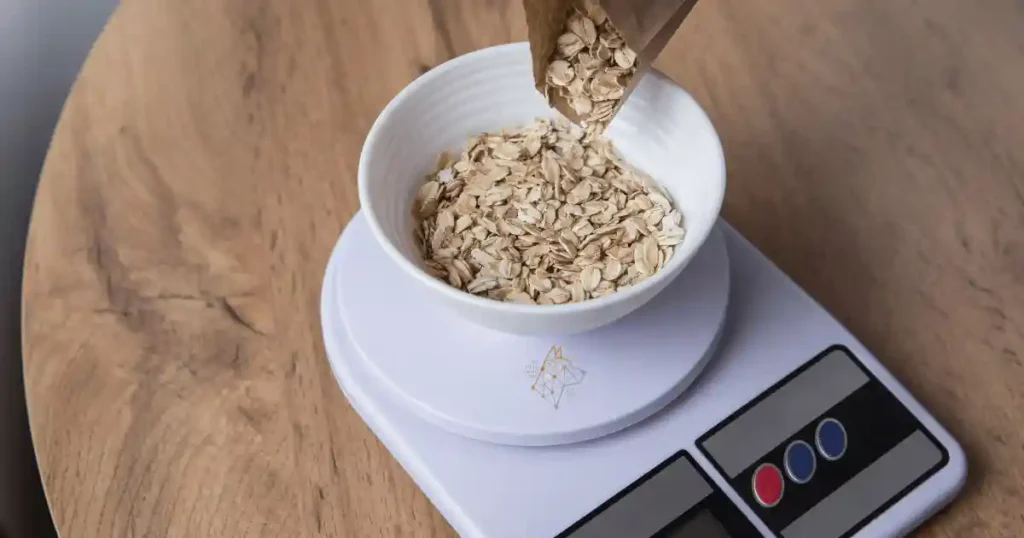
A plastic scoop can look totally harmless sitting in a kibble bag. During my years working with pet parents in Denver, I saw how easily small scoops lead to big weight shifts. Estimating Instead of Measuring Food quietly adds extra calories to your pet’s bowl every single day. These hidden extras build up fast over time. Most pet owners never realize how much food they actually give. Switching to simple, precise feeding habits will protect your pet’s long-term health and make your feeding plan work as intended.
Why Estimating Pet Food Portions Can Cause Problems
Eyeballing meals is fast, but quick choices often lead to subtle feeding mistakes. Small daily extras build up into major weight gains over time.
What “Estimating” Food Usually Means
Estimating means filling bowls by eye or using random household cups. Owners guess scoops, fill empty spots, and add extra kibble when pets look hungry.
Why Small Errors Become Big Errors
Adding just ten extra kibble pieces per meal creates a huge calorie surplus over time. These tiny extras compound silently month after month.
Estimating Once vs Estimating Every Meal
A single loose guess will not hurt your pet. Guessing twice a day for months creates steady, unwanted weight gain that surprises owners.
Why Treats Make Estimation Even Harder
Uncounted treats add extra calories on top of estimated kibble portions. Handing out random snacks destroys even well-planned daily diets fast.
How Portion Errors Can Affect Weight
Portion mistakes push pets past their daily calorie limits effortlessly. AAHA notes that unmeasured feeding is a primary risk factor for pet obesity.
Measuring Food Is Different From Estimating Food
Measuring pet food replaces guessing with repeatable, objective accuracy. It gives you complete control over your pet’s daily energy intake.
What Counts as an Accurate Measurement?
Accurate measurement means using consistent tools every day. Level measuring cups or digital kitchen scales give exact, reliable numbers every time.
Volume Measurement vs Weight Measurement
Volume measures space inside a cup, while weight measures actual mass. Weight stays accurate regardless of kibble size, shape, or settling.
Measuring Cups
Standard measuring cups work better than random scoops. However, human scoopers still vary portions based on how high they heap the cup.
Kitchen or Gram Scales
Digital scales give exact weight readings in grams. They eliminate human error entirely, making every meal identical in calorie content.
Why Grams Can Be More Consistent
Grams measure true food mass directly. They bypass issues caused by kibble shape, air gaps, or cup design completely for perfect control.
Example of a 10-Gram Difference
A 10-gram overage twice daily adds 140 extra grams weekly. Over a month, your pet eats over a pound of unplanned food.
Table 1: Estimating vs Measuring Pet Food
This table compares common pet feeding methods side by side. I use this quick guide to show pet parents why scales outperform cups.
| Method | Accuracy | Repeatability | Best Use |
| Eyeballing | Low | Low | Avoid for portion control |
| Random household cup | Low | Low | Not recommended |
| Standard measuring cup | Better | Moderate | Basic feeding |
| Level measuring cup | Better | Good | Routine portions |
| Gram scale | High | High | Precise feeding |
| Calculator + gram scale | Very high | High | Weight management |
Why Pet Food Calories Make Measurement Important
Pet food formulas vary wildly in energy density. Volume alone never tells you how many calories sit inside the feeding bowl.
Calories Per Cup
One cup of dry kibble can range from 300 to over 500 kcal. Knowing the exact cup count is useless without knowing energy density.
Calories Per Gram
Calorie density per gram gives exact energy values. Dividing total daily calories by kcal per gram yields your exact target weight in food.
kcal/kg on Pet Food Labels
Pet food bags list energy content as kcal/kg. Merck notes that US labels must list metabolizable energy to help owners calculate meals.
Metabolizable Energy
Metabolizable energy represents usable calories absorbed by your pet’s body. It accounts for energy lost during digestion and waste elimination.
Why Kibble Density Matters
Dense kibbles pack high calories into small pieces. Light kibbles contain air, making visual portions look bigger for the same weight.
Why Different Brands Cannot Be Measured the Same Way
Switching kibble brands changes calorie density immediately. VCA notes that brand energy variations mean old cup sizes cause weight shifts.
Dry Food vs Wet Food
Wet food contains high moisture, offering lower calories per gram than dry kibble. Mixing them requires separate, careful weight checks.
Treats and Extras
Snacks and dental chews carry dense calories. All extras must be subtracted from the main meal weight to keep totals balanced.
How Much Can an Estimation Error Matter?
Tiny feeding errors look harmless in the scoop, but math reveals their true impact. Small daily extras add up to massive yearly overages.
A 5-Gram Error
A 5-gram error adds about 18 calories per meal. For a small cat, that represents a ten percent daily calorie overload.
A 10-Gram Error
A 10-gram error per meal adds 35 extra calories. That equals over 240 extra calories every week for a medium-sized dog.
A 20-Gram Error
A 20-gram overage adds 70 calories per meal. Over a month, your pet consumes thousands of unplanned, excess calories effortlessly.
The Daily Effect
Daily estimation errors keep your pet in a constant calorie surplus. Body fat accumulates steadily without obvious visual warning signs.
The Weekly Effect
Weekly overages stall weight loss plans completely. Owners wonder why diets fail while unknowingly overfeeding every single morning.
The Monthly Effect
Monthly portion errors lead to noticeable scale gains. Pets gain pounds of fat purely from unmeasured, generous daily scoops.
Example: A Dog Fed Twice Daily
A dog getting 15 extra grams per meal eats 30 extra grams daily. That equals 210 extra grams of kibble every single week.
Example: A Small Cat Fed Twice Daily
A cat getting 5 extra grams per meal eats 70 extra grams weekly. That extra food can increase a cat’s weight quickly.
Why Smaller Pets Can Be Less Forgiving of Portion Errors
Small pets have low daily calorie needs. A few extra kibble pieces represent a huge percentage of their total daily allowance.
Why Calorie Density Changes the Math
High-calorie diets make portion errors worse. A small gram mistake in dense food delivers far more excess calories than in light food.
Table 2: How Repeated Portion Errors Add Up
This table illustrates how small extra grams multiply over time. I use these numbers to prove that tiny daily scoops matter.
| Extra Food Per Meal | Meals Per Day | Extra Food Per Week |
| 5 g | 2 | 70 g |
| 10 g | 2 | 140 g |
| 15 g | 2 | 210 g |
| 20 g | 2 | 280 g |
| 25 g | 2 | 350 g |
Formula to Include
Calculate extra weekly food using a simple mathematical formula: Extra weekly food = extra grams per meal × meals per day × 7.
Why Measuring Cups Can Still Be Inaccurate
Using a measuring cup is better than guessing, but volume tools still allow significant portion errors during daily feeding routines.
The “Heaping Cup” Problem
Heaping kibble above the cup rim adds twenty percent extra food. That rounded top ruins daily portion targets instantly.
Level Cup vs Rounded Cup
A level cup scrapes flat at the top. A rounded cup holds extra kibble that slips past your eyes without notice.
Kibble Shape and Size
Large kibble shapes leave big air pockets in cups. Small kibble settles tightly, packing more actual weight into the same space.
Kibble Density
Heavy, dense kibble weighs more per cup than light, puffed kibble. Volume tools fail to account for these density changes.
How Scoops Can Change Portions
Scooping forcefully packs kibble into cup corners. Gentle scooping leaves gaps, creating random portion differences every time you feed.
Why Different People Measure Differently
Family members measure cups differently. One person scrapes flat while another heaps, causing daily portion swings for your pet.
Why Small Dogs and Cats Need Extra Care
Small pets require tiny cup portions, like one-fourth cup. Small visual cup errors cause massive percentage shifts in their daily calories. AAHA studies show that measuring dry food with volume cups causes wide portion variations.
How to Weigh Pet Food With a Gram Scale
Using a digital gram scale is simple, fast, and foolproof. It takes five seconds to guarantee exact portions every single meal.
What Type of Scale to Use
Use a small digital kitchen scale with a flat platform. Ensure it reads clearly in one-gram increments for accurate portioning.
Choose Grams Instead of Ounces
Select grams on your scale display. Grams offer fine-grained unit measurements that capture tiny portion changes better than ounces.
Step 1 — Put the Empty Bowl on the Scale
Place your pet’s empty feeding bowl directly onto the scale platform before turning it on or scooping food.
Step 2 — Press Tare/Zero
Press the tare button to reset the display screen to zero. This subtracts the bowl weight from your measurement automatically.
Step 3 — Add the Food
Scoop kibble directly into the bowl while watching the digital screen numbers rise toward your exact weight target.
Step 4 — Stop at the Target Weight
Stop adding food the exact moment the digital screen matches your target gram weight. Remove extra pieces if needed.
Step 5 — Record the Amount
Log the final gram weight in your feeding tracker to maintain consistent records over weeks and months.
Step 6 — Repeat Consistently
Follow this exact scale process for morning and evening meals to keep daily calorie intake totally stable.
What “Tare” Means
Tare resets the scale display to zero with an item on it, letting you weigh only the added food.
What to Do if the Scale Jumps Between Numbers
If numbers jump between grams, adjust food by single kibble pieces until the digital display stabilizes on target.
How to Keep the Scale Clean
Wipe the scale platform with a damp cloth weekly to remove kibble dust and grease buildup.
How a Pet Feeding Calculator Uses Food Measurements
Calculators need precise inputs to output accurate feeding numbers. Garbage data produces unreliable calorie recommendations for your pet.
Enter Your Pet’s Current Weight
Input your pet’s current weight accurately using a reliable scale. Avoid guessing or using old weight records.
Enter Ideal Weight When Appropriate
Enter your target ideal weight if your pet is currently overweight or underweight to set correct health goals.
Select Dog or Cat
Choose the correct species option because metabolic rates vary significantly between dogs and cats.
Add Life Stage
Select your pet’s age bracket, like puppy, kitten, adult, or senior, to account for growth and aging needs.
Add Activity Level
Specify whether your pet is inactive, moderately active, or working hard to adjust calculated baseline energy needs.
Add Body Condition Score
Include your pet’s current BCS rating to help refine total daily calorie estimates accurately.
Enter Daily Calorie Target
The calculator processes user inputs to generate a recommended total daily calorie target for your pet.
Enter Food Calorie Density
Input the kcal/kg or kcal/cup value printed on your pet food bag label to set energy parameters.
Convert Calories Into Food Weight
The tool divides daily calorie needs by food energy density to determine exact target daily food weight in grams.
Record the Daily Portion
Write down the calculated daily gram target so all family members know the exact amount to measure out.
Example Calculation
Calculate daily food weight in grams with this simple formula: Daily food grams = daily calorie target ÷ calories per gram. If a food lists 3,800 kcal/kg, divide by 1,000 to get 3.8 kcal/g. A 380 kcal target divided by 3.8 kcal/g equals exactly 100 grams of food daily.
Why a Pet Calorie Calculator Needs Accurate Food Data
Calculators are logic engines that depend entirely on correct user inputs. Inaccurate food measurements guarantee flawed daily calorie results.
Garbage In, Garbage Out
Inputting guessed food portions into a calculator produces useless daily recommendations. Accurate data yields successful feeding plans.
Current Weight vs Ideal Weight
Base calorie calculations on ideal target weight for overweight pets to ensure safe, steady weight loss progress.
Food Calories Per Gram
Check food labels carefully because calories per gram vary widely across different brands and formulas.
Treat Calories
Subtract treat calories from total daily energy allowances to prevent accidental overfeeding during training sessions.
Table Food
Factor in human food scraps because small bites carry high calories that disrupt pet diets easily.
Supplements
Account for oil-based supplements or chews, as their added calories count toward daily energy intake totals.
Medication Given With Food
Include calories from cheese, peanut butter, or pill pockets used to administer daily medications.
Chews and Dental Treats
Track dental sticks and rawhides because these long-lasting treats contain significant hidden calories. AAHA guidelines stress collecting complete diet histories including all treats, snacks, and medication foods.
Don’t Rely Only on the Feeding Guide on the Bag
Pet food package charts offer broad starting estimates, not custom meal plans tailored to your individual pet’s unique needs.
What Feeding Guidelines Are Designed to Do
Bag guidelines suggest average starting portions for healthy, un-neutered active adult pets. They serve as basic starting points.
Why Label Recommendations Are General
Package charts group wide weight ranges together. A 20-pound dog and a 35-pound dog often share the same broad suggestion.
Activity Level Matters
Lazy couch pets need far fewer calories than energetic working dogs of the exact same body weight.
Life Stage Matters
Growing puppies need high energy, while senior pets require fewer calories due to slowing metabolic rates.
Body Condition Matters
Overweight pets need reduced portions compared to lean, muscular pets weighing the exact same amount.
Current Weight vs Ideal Weight
Feeding an overweight pet for its current weight maintains obesity. You must feed for ideal weight goals.
Why Two Pets Can Need Different Amounts
Metabolism, genetics, and spay status vary. Two dogs of equal weight often need different daily portions. Merck notes bag charts are general guides that require adjustment based on body condition monitoring. AAHA cautions that commercial charts often overestimate energy needs.
How Estimating Food Can Affect Weight Management
Precision measurement is critical during weight loss or gain plans. Guessing portions causes diets to stall completely.
Estimating During Weight Loss
Loose guessing during diets keeps pets in calorie balance, stopping weight loss and frustrating owners trying hard to help.
Estimating During Weight Gain
Underestimating meals for underweight pets prevents needed weight recovery, leaving animals frail despite owner efforts.
Maintaining a Healthy Weight
Weighing food consistently maintains ideal body condition long term, preventing subtle weight gain as pets age.
Why Weight Trends Matter
Tracking weekly weight trends reveals if portion sizes need minor adjustments to keep progress on track.
Body Condition Score
Use body condition scoring alongside scale weight to ensure pets lose fat while keeping healthy muscle mass.
Muscle Condition Score
Monitor muscle condition during weight loss to verify your pet loses body fat rather than lean muscle tissue.
Adjusting Portions With Veterinary Guidance
Work with your vet to make small ten percent portion tweaks when weight progress stalls out unexpectedly.
Why You Should Not Make Large Sudden Food Cuts
VCA warns against cutting food drastically. Sharp calorie drops cause nutrient deficiencies and severe metabolic risks.
Body Condition Score Can Check Your Measurement Plan
Body condition scores act as a real-world sanity check on your daily food measuring accuracy.
What BCS Measures
BCS evaluates body fat layers over ribs, waistlines, and belly tucks to judge total fat reserves accurately.
Ideal BCS
An ideal score of 4 or 5 out of 9 indicates healthy fat levels and confirms your feeding portion size works.
BCS and Food Intake
Rising BCS scores signal that current measured food portions exceed actual daily energy needs, requiring minor cuts.
When Weight and BCS Tell Different Stories
Stable weight paired with a rising BCS means your pet is gaining fat while losing valuable muscle mass.
Tracking BCS Alongside Food Intake
Compare monthly BCS ratings against food logs to fine-tune meal gram targets with confidence.
Example: Weight Stable, BCS Rising
If weight stays flat while waistlines vanish, reduce meal grams slightly to trim accumulating body fat.
Example: Weight Falling Too Fast
If weight drops rapidly while BCS plummets, increase food grams immediately to protect muscle health. AAHA emphasizes evaluating weight, BCS, and MCS together for complete nutritional checks.
Common Pet Feeding Measurement Mistakes
Most feeding errors stem from simple, unnoticed daily habits rather than intentional overfeeding by caring pet owners.
Filling the Bowl Without Measuring
Pouring kibble directly into bowls without measuring tools leads to major daily calorie overages.
Using a Coffee Mug
Coffee mugs vary in volume and lack clear lines, making portion estimation inconsistent every single day.
Using a Different Cup Every Day
Grabbing random kitchen cups creates constant portion swings that disrupt your pet’s weekly calorie intake.
Heaping the Measuring Cup
Scooping rounded, heaping cups adds extra food that builds up into unwanted fat gain over time.
Forgetting Treat Calories
Ignoring training treats and chews leaves huge calorie gaps in your daily feeding records.
Counting “Just One Bite” as Nothing
Table scraps carry dense calories that quickly overwhelm small pet daily energy budgets.
Feeding From the Table
Passing food scraps during family meals adds uncounted calories and encourages begging behavior.
Not Updating Food After a Brand Change
Keeping old scoop sizes after switching food brands leads to overfeeding due to calorie density shifts.
Assuming All Kibble Has the Same Calories
Treating light kibble and dense performance food as equal in calories causes major feeding errors.
Forgetting Wet Food Calories
Ignoring calories in canned toppers or wet mixers skews daily energy tracking completely.
Free Feeding
Leaving filled bowls out all day prevents portion control and leads to constant grazing and obesity.
Letting Multiple Family Members Feed the Pet
Uncoordinated feeding leads to double meals when family members do not track who fed the pet.
Guessing After Exercise
Adding extra food after long walks is unnecessary unless recommended by a vet for working dogs.
Adding Extra Food Because the Pet Looks Hungry
Feeding pets whenever they beg rewards vocal behavior rather than meeting real metabolic needs. AAHA lists free feeding and unmeasured treats as major feeding mistakes to avoid.
Estimating Food for Multi-Pet Households
Feeding multiple pets without individual measurement creates food competition and major portion tracking chaos.
Separate Feeding Areas
Feed pets in separate rooms or behind closed doors to guarantee each animal eats only its assigned portion.
Individual Portions
Weigh custom meal portions for each pet based on its unique weight, age, activity level, and target BCS.
Preventing Food Swapping
Monitor meal times closely so fast eaters cannot push slower pets away from their food bowls.
Tracking Each Pet Separately
Maintain distinct feeding records for every pet to catch weight shifts early before health problems grow.
What To Do With Grazing Cats
Use microchip-activated automated feeders to keep grazing cat portions safe from greedy housemates.
Using a Feeding Log
Post a shared whiteboard in the kitchen so family members can check off meals and prevent double feeding.
Example: Two Dogs With Different Calorie Needs
A young active dog needs dense meals, while an older, lazy dog needs reduced portions to avoid fat gain.
A Real-Life Feeding Routine Using a Food Scale
Weighing pet food takes thirty seconds once integrated into your normal morning kitchen routine.
7:00 AM — Prepare the Bowls
Grab your pet’s clean feeding bowl and place your digital scale on the kitchen counter near the kibble bag.
7:02 AM — Tare the Scale
Place the empty bowl on the scale platform and press tare to zero out the digital display instantly.
7:03 AM — Weigh the Kibble
Scoop kibble into the bowl until the digital readout hits your exact target gram number, then stop.
7:05 AM — Add Any Planned Extras
Add pre-measured wet toppers or supplements, recording extra grams on the scale if needed.
7:10 AM — Feed the Pets
Place the measured bowl on the floor for your pet to enjoy, knowing the portion is completely accurate.
Evening — Repeat the Same Process
Follow the exact same tare and weigh steps for dinner to keep daily intake completely stable.
End of Week — Review the Log
Check weekly weight logs and portion records to verify your feeding plan keeps your pet on track.
A Busy Monday Example
On a hectic morning with dogs barking and coffee brewing, pressing tare on the scale takes five seconds. The digital screen confirms the exact target grams before the bowl hits the kitchen floor.
Expert Advice on Measuring Pet Food
Veterinary nutritionists emphasize that accurate food measurement is essential for effective pet weight control.
U.S. Veterinary Nutrition Perspective
Dr. Lisa M. Freeman, DVM, PhD, DACVN, at Tufts University stresses that portion accuracy matters. Calorie density varies widely across foods, requiring consistent gram measurement tailored to individual pet needs.
Expert Points to Cover
Portion precision prevents weight gain. Calorie density shifts require meal adjustments. Weight and body condition trends must be tracked monthly.
AAHA Guidance
AAHA recommends using digital gram scales for high precision, noting that volume cups carry inherent inaccuracy.
Quote Policy
Expert consensus confirms that gram scales eliminate measurement errors, protecting long-term pet health.
How to Measure Dry Food More Accurately
Dry kibble is easy to feed, but piece size variations make weight measurement the gold standard for accuracy.
Weigh in Grams
Use digital gram scales to remove all volume errors caused by kibble air gaps or cup heaping.
Use the Same Scale
Also, Use the same digital kitchen scale daily to ensure measurement consistency across all meals.
Use the Same Food
Stick to your chosen formula unless transitioning slowly to prevent digestive upset and calorie confusion.
Check the Current Label
Review food bag labels after every new purchase to spot quiet manufacturer calorie shifts.
Avoid Overflowing the Bowl
Choose appropriately sized feeding bowls so measured kibble fits comfortably without spilling over edges.
Measure the Full Daily Ration
Weigh the complete daily kibble allowance in the morning to set strict daily energy boundaries.
Divide It Into Meals
Split the pre-weighed daily food portion into equal morning and evening meals for easy tracking.
Pre-weighing the day’s food
Weigh the total day’s food into a container each morning. All meals and treats come directly from that container.
Measuring each meal separately
Tare the scale and weigh individual meal targets directly into the feeding bowl right before mealtime.
How to Measure Wet and Canned Food
Wet food carries lower calorie density than dry kibble, requiring clear portion checks when mixed or fed alone.
Check Calories Per Can
Read canned food labels to find total kcal per can or pouch before setting daily meal portions.
Check Calories Per Pouch
Verify pouch calorie counts because small wet pouches often vary in energy density across flavors.
Weigh Opened Food When Needed
Weigh partial cans on your digital scale to ensure exact gram portions when splitting cans across meals.
Account for Leftovers
Scrape remaining wet food from bowls after mealtimes to track actual consumed amounts accurately.
Store Opened Food Safely
Cover and refrigerate partial cans immediately, warming portions slightly before serving later.
Combine Wet and Dry Food Correctly
Calculate dry kibble and wet topper calories separately, adding them together to stay within daily targets.
Example of a Mixed-Feeding Plan
Combine 70% dry kibble calories with 30% wet food calories, weighing both items in grams on your scale.
How Treats Fit Into Accurate Food Tracking
Treats count toward daily energy budgets. Uncounted treats destroy meal plans fast if ignored by owners.
Count Training Treats
Track every small training treat offered during dog training sessions to keep total calories under control.
Count Dental Treats
Factor in daily dental sticks because these large treats carry significant extra calories.
Count Table Food
Avoid uncounted table scraps, as tiny human food bits contain dense calories that cause weight gain.
Count Food Used With Medication
Include calories from peanut butter or cheese slices used to hide pills during daily treatments.
Use Kibble as a Planned Treat When Appropriate
Set aside a portion of your pet’s measured daily kibble allowance to use as training rewards.
Keep Treat Calories Within the Daily Plan
AAHA guidelines state that treats should never exceed ten percent of a pet’s total daily calorie intake.
Table 3: What to Include in a Daily Feeding Log
This table shows what to track in a daily log. Keeping detailed records ensures complete portion control.
| Item | Amount to Record |
| Main food | Grams/cans/cups |
| Food calories | kcal |
| Breakfast | Amount + time |
| Dinner | Amount + time |
| Treats | Pieces/grams + calories |
| Table food | Food + amount |
| Supplements | Product + amount |
| Medication food | Amount |
| Daily total | Total kcal |
| Pet weight | Current weight |
| BCS | Current score |
How to Fix the Habit of Estimating Food
Replacing loose guessing with precise scale habits takes simple tools and a consistent daily mindset.
Start With One Meal
Begin by weighing just breakfast meals on your scale to build momentum before scaling to dinner.
Replace the Random Scoop
Remove generic plastic scoops from kibble bags so family members must use the digital scale.
Keep the Scale Near the Food
Place your digital gram scale directly beside the kibble container for fast, effortless access.
Pre-Portion Food
Pre-weigh daily food portions into reusable containers on Sunday to simplify busy weekday feedings.
Use a Feeding Log
Keep a printed chart on the fridge where family members check off meals and record treat additions.
Let Every Family Member Follow the Same Plan
Ensure everyone in the house follows the exact same scale steps and portion numbers.
Recheck the Food Label After a Diet Change
Check calorie density numbers on new food bags to recalculate target meal weights correctly.
The 30-second feeding routine
Check daily target grams. Place bowl on scale and press tare. Add kibble until screen hits target weight. Feed your pet and check off the feeding log.
When Measuring Food Matters Most
Precision food measurement is vital in specific health situations where tiny portion errors carry high risks.
Overweight Pets
Overweight pets require strict calorie limits to shed excess fat safely without stalling progress.
Pets on Weight-Loss Plans
Pets on active weight diets need exact gram measurements to ensure steady, predictable fat reduction.
Underweight Pets
Underweight animals need accurate calorie increases to rebuild health without causing gut distress.
Puppies and Kittens
Growing pets need precise energy intake to support healthy bone growth and development.
Senior Pets
Older pets with slowing metabolisms need carefully controlled portions to prevent rapid fat accumulation.
Small-Breed Dogs
Small dogs have tiny daily calorie budgets where a few extra kibble pieces represent major overfeeding.
Cats With Tight Calorie Budgets
Cats require strict portion control because slight overages lead to rapid feline obesity and diabetes risks.
Pets With Medical Conditions
Medical conditions like pancreatitis require rigid calorie and fat control managed by exact weight.
Pets Taking Therapeutic Diets
Prescription diets must be measured precisely to deliver intended therapeutic health benefits.
Pets With Rapid Weight Changes
Unexplained weight shifts demand exact food weighing to help vets isolate medical issues.
Table 4: When to Use More Precise Food Measurement
This decision guide shows when scale accuracy is essential for pet health management.
| Situation | Measurement Priority |
| Healthy pet at stable weight | Moderate |
| Mild weight gain | High |
| Weight-loss plan | Very high |
| Weight-gain plan | Very high |
| Puppy/kitten growth | High |
| Small dog/cat | High |
| Therapeutic diet | Very high |
| Multiple foods | Very high |
| Rapid weight change | Very high |
| Unclear feeding amount | High |
How to Combine a Food Scale With a Pet Calculator
Pairing digital calculators with kitchen scales creates a complete, professional weight management system.
Step 1 — Weigh the Pet
Weigh your pet accurately on a digital scale to establish a true baseline weight.
Step 2 — Assess Body Condition
Evaluate your pet’s body condition score to judge current body fat levels correctly.
Step 3 — Calculate Daily Calories
Use a pet calorie calculator to determine target daily calorie needs based on weight and BCS.
Step 4 — Check Food Energy Density
Find the kcal/kg rating on your food bag to determine exact energy per gram.
Step 5 — Convert Calories to Grams
Divide total daily calories by food kcal per gram to calculate target daily food grams.
Step 6 — Weigh the Daily Portion
Tare your digital kitchen scale and measure out the exact target daily gram weight.
Step 7 — Divide Into Meals
Split the target daily food weight into equal morning and evening meal portions.
Step 8 — Record Treats
Deduct treat calories from daily totals, reducing meal kibble weight to balance intake.
Step 9 — Monitor Weight
Weigh your pet weekly and track scale progress alongside daily food logs.
Step 10 — Reassess the Plan
Adjust daily food grams up or down by ten percent if weight progress stalls over time.
Example formula
Calculate target food weight: Daily food grams = daily calorie target ÷ kcal per gram. For a food with 3,800 kcal/kg, calories per gram equal 3.8. A daily target of 380 kcal divided by 3.8 yields 100 grams of food daily. Tailor calorie targets to individual pet responses.
What a Good Pet Feeding Calculator Should Tell You
A high-quality pet calculator simplifies feeding by delivering clear, actionable portion data.
Daily Calorie Estimate
The calculator provides an ideal total daily calorie target tailored to your pet’s metabolic profile.
Daily Food Weight
The tool converts calorie targets directly into daily food weight in grams for scale use.
Meals Per Day
It breaks total daily food weight into equal portions based on your feeding schedule.
Treat Allowance
The calculator reserves ten percent of daily calories for treats, adjusting main kibble targets down.
Food Calorie Density
It inputs specific food energy values to ensure precise weight conversions for any brand.
Current Weight
The tool tracks baseline scale weight to calculate appropriate initial daily energy needs.
Ideal Weight
It calculates calories based on target weight for overweight pets to drive safe weight loss.
BCS
The calculator incorporates body condition scores to refine baseline energy calculations.
Weight Trend
Advanced calculators plot weight trends over time to flag needed portion adjustments.
Feeding Log
Integrated logs store past meal records, weights, and treat additions in one central location.
Recalculation Reminders
The tool prompts users to update weight and food data monthly to keep portions accurate.
Avoiding false precision
Calculators offer reliable starting estimates that must be refined based on real-world weight trends.
Showing assumptions clearly
Tools should state underlying metabolic formulas clearly so users understand calculated targets.
Adding veterinary warnings where appropriate
Quality tools display alerts prompting vet reviews when user inputs reflect extreme weight shifts.
When You Should Ask Your Veterinarian
Accurate food measuring solves portion errors, but unexpected weight shifts demand veterinary medical review.
Unexplained Weight Loss
Rapid weight loss despite full measured meals signals potential underlying medical issues requiring vet care.
Rapid Weight Gain
Sudden weight gain without increased food intake requires veterinary assessment for metabolic conditions.
Very Low BCS
Body condition scores below 3/9 demand immediate veterinary checkups and custom rehabilitation feeding plans.
High BCS
Scores above 7/9 require vet-supervised weight management plans to protect heart and joint health.
Muscle Loss
Loss of muscle mass along the spine flags disease risks that need prompt veterinary evaluation.
Sudden Appetite Change
Loss of appetite or sudden intense hunger warrants medical checks to rule out underlying illness.
Vomiting or Diarrhea
Persistent digestive distress requires veterinary care to identify food sensitivities or medical issues.
Chronic Medical Conditions
Pets with kidney, liver, or heart disease need custom clinical feeding plans managed by veterinarians.
Puppy or Kitten Growth Concerns
Stalled growth in young pets requires professional veterinary checks to ensure proper development.
Why calculators should not replace veterinary care
AAHA stresses that nutritional management requires ongoing veterinary evaluation. Calculators complement, but never replace, expert medical care.
Frequently Asked Questions About Estimating Pet Food
Is it okay to estimate how much food my pet gets?
No, estimating pet food portions leads to uncounted calories and gradual weight gain.
Is weighing pet food better than using a measuring cup?
Yes, digital scales eliminate volume errors caused by kibble shape, air gaps, and cup heaping.
Should I weigh dog food in grams?
Yes, weighing dog food in grams provides exact accuracy for optimal weight control.
Should I weigh cat food in grams?
Yes, cats have tiny daily calorie budgets that require gram-scale precision.
How accurate are pet food measuring cups?
Measuring cups vary by up to twenty percent based on kibble density and scooping technique.
Why is my pet gaining weight if I follow the bag?
Bag charts offer broad general guidelines that often overestimate energy needs for indoor pets.
Does one cup of dog food always have the same calories?
No, calorie density varies widely across different kibble brands and formulas.
How do I calculate calories from grams of pet food?
Multiply food weight in grams by calories per gram listed on the food bag label.
Should treats be included in a pet calorie calculator?
Yes, treats must be included and kept under ten percent of total daily calories.
Can I use a kitchen scale for pet food?
Yes, any standard digital kitchen scale that measures in single grams works perfectly.
How often should I weigh my pet’s food?
Weigh pet food at every meal to ensure complete portion consistency day after day.
Do I need to weigh wet pet food?
Yes, weighing wet food ensures accurate calorie accounting when splitting cans or mixing meals.
Is a pet feeding calculator accurate?
Calculators offer excellent baseline estimates when provided with exact food weight inputs.
Should I feed based on current weight or ideal weight?
Feed based on ideal target weight when managing weight loss for overweight pets.
Can estimating food cause pet obesity?
Yes, small daily estimation overages are a primary cause of pet obesity.
How do I stop overfeeding my pet?
Switch to a digital gram scale, calculate daily calorie needs, and log all treats.
Related Pet Nutrition and Calculator Tools
Digital tools help turn precise measurements into organized, long-term health records.
Pet Calorie Calculator
Calculate daily calorie targets tailored to your pet’s species, weight, and activity level.
Dog Calorie Calculator
Determine custom daily energy goals for dogs based on age, breed, and neuter status.
Cat Calorie Calculator
Calculate precise calorie allowances designed specifically for indoor or outdoor cats.
Pet Feeding Calculator
Convert daily calorie targets into exact gram portions for your specific food brand.
Pet Weight Calculator
Determine healthy ideal target weights for pets on weight management plans.
Body Condition Score Calculator
Evaluate pet body fat levels using species-specific visual and palpation criteria.
Pet Weight Tracker
Graph weekly scale weights to monitor progress and refine daily food portions.
Feeding Log
Record daily kibble grams, wet toppers, and treats to maintain complete diet control.
Long-Term Pet Health Record
Store weight logs, BCS scores, and vet nutrition notes in one central tool.
Final Recommendation
During my years advising pet owners in Denver, I learned that Estimating Instead of Measuring Food is the single biggest cause of failed pet weight plans. Eyeballing kibble or relying on plastic scoops introduces hidden daily calorie overages that cause steady fat gain. Placing a digital scale beside your kibble bag and weighing meals in grams takes just five seconds, yet it eliminates feeding errors entirely. Combine digital scale accuracy with a pet calorie calculator to set custom gram targets. Track your pet’s body condition score monthly, and work with your veterinarian to keep your pet lean, energetic, and healthy for life.

Shakitul Alam is the Chief Executive Officer and Founder of Pet Calculator. He holds a degree in Computer Science and Information Technology from the University of Texas at Dallas, combining advanced algorithmic engineering with a lifelong passion for animal welfare and pet health care.
As a recognized pet care technology expert, Shakitul has spent years researching and developing responsive, vet-approved digital tools that make pet wellness data accessible to millions of dog and cat owners nationwide. Under his leadership, Pet Calculator adheres to the highest standards by pairing precise mathematical modeling with published veterinary science.