

Empty bowls at seven in the morning can trick anyone. My own dog stood by his dish with sad eyes, so I fed him, only to learn my partner fed him twenty minutes earlier. That second breakfast made me realize how fast small feeding errors add up. Keeping accurate feeding logs fixes these simple mistakes before they turn into real health issues. Whether you have a lively Beagle in Ohio or an indoor cat in New York, a daily meal record brings clarity to your routine. Tracking every meal helps keep your pet happy, fit, and full of life.
What Is a Pet Feeding Log?
A pet feeding log is a simple written or digital record of your animal’s daily food intake. It tracks what your pet eats, when they eat, and how much food they consume each day.
Definition of a Feeding Log
A feeding log serves as an accurate record of daily meals, treats, and water. It tracks exact portions, meal times, food types, and any changes in your pet’s normal appetite.
Why Every Pet Owner Should Keep One
Busy households often lose track of who fed the pet. A clear log stops double feeding, prevents missed meals, and keeps every family member on the same page.
How Feeding Logs Support Long-Term Health
Consistent records make it easy to spot slow changes in appetite. Catching subtle dietary shifts early helps you protect your pet from long-term digestive and metabolic issues.
Feeding Logs vs Simply Remembering Meals
Memory fails during busy mornings or late nights. Written logs provide exact facts, eliminating guesswork about whether your pet ate their full portion or skipped a meal.
Why Keeping Accurate Feeding Logs Matters
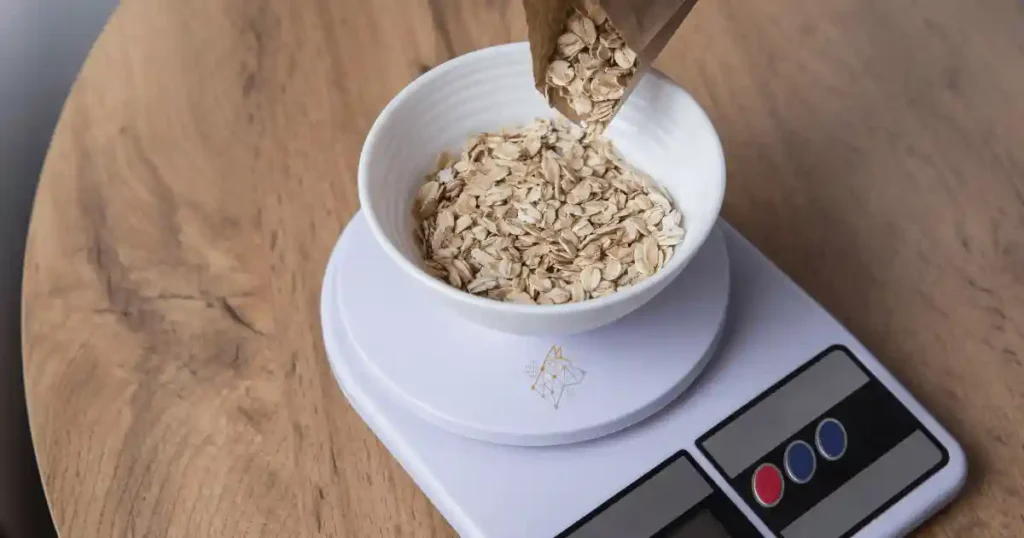
Small details in daily routines shape your pet’s long-term wellness. Tracking meals provides clear insights that protect your animal’s health over time.
Prevent Overfeeding
Extra kibble or unmeasured treats add up fast. Accurate logs ensure you feed exact daily caloric portions, preventing slow, unwanted weight gain.
Prevent Underfeeding
In multi-pet homes, aggressive pets may steal food from timid ones. A quick record confirms that every animal actually finishes their own portion.
Detect Appetite Changes Early
A loss of appetite often serves as the first warning sign of illness. Detailed logs highlight subtle drops in food interest before physical symptoms appear.
Improve Weight Management
Weight loss or weight gain plans require strict portion control. Logging meals ensures your pet stays within their target daily calorie range.
Help Veterinarians Make Better Decisions
Vets rely on accurate data to diagnose medical issues. Clear feeding records help your vet evaluate health concerns quickly during clinical visits.
Track Multiple Caregivers
When several people care for one pet, communication gaps happen. Logs clarify responsibilities so meal duties stay organized and accurate.
Families
Parents and children can mark off meals as soon as they serve them, keeping morning routines smooth and error-free.
Pet sitters
Sitters can follow your exact feeding instructions and log every meal while you are away from home.
Dog walkers
Walkers can record mid-day treats or water breaks, giving you a full picture of your pet’s day.
Veterinary nutrition experts emphasize using clear written records over human memory. The table below shows how simple logging habits deliver long-term health advantages for your pet.
| Benefit | Why It Matters | Long-Term Impact |
| Portion tracking | Prevents overfeeding | Healthy weight |
| Meal timing | Creates routine | Better digestion |
| Appetite monitoring | Detects illness early | Faster treatment |
| Medication records | Avoids missed doses | Improved recovery |
| Treat tracking | Controls calories | Obesity prevention |
| Water monitoring | Detects dehydration | Better wellness |
What Information Should You Record?
A complete feeding log covers key details without becoming overwhelming. Recording basic metrics gives you a rich overview of your pet’s daily habits.
Date
Record the calendar date for every entry. Clear dates help you track feeding patterns over weeks and months.
Time
Note the exact time your pet eats. Consistent meal times support healthy digestion and keep intestinal routines regular.
Food Brand
Write down the brand and product line name. Keeping brand notes helps if a manufacturer changes formulas or recalls a product line.
Food Type
Different food styles affect hydration and daily calorie density in unique ways.
- Dry food: Measure kibble carefully because small cups pack dense calories.
- Wet food: Track canned portions to monitor moisture intake and meal freshness.
- Homemade diet: Note custom ingredients to ensure balanced nutrient profiles.
- Raw food: Log raw meals to maintain strict food safety standards.
Portion Size
Write down portions in standard measurements, such as grams or exact cup sizes, rather than vague estimates.
Calories
Track the total calories served each day to keep energy intake aligned with your pet’s activity level.
Treats Given
Log training treats, dental chews, and table scraps, as extra snacks can easily double daily calorie goals.
Water Intake
Note how often your pet drinks water, as sudden increases or drops in thirst can indicate kidney or metabolic issues.
Supplements
Record vitamins, joint chews, or probiotics given during mealtime to confirm your pet receives correct daily support.
Medication with Meals
Log any prescriptions served with food to prevent missed doses or double dosing.
Appetite Rating
Rate how eagerly your pet ate their meal on a simple scale, such as high, normal, or poor.
Notes About Behavior
Document unusual habits, like slow chewing, leaving food behind, or begging shortly after eating.
How Often Should You Update Feeding Logs?
Consistency makes feeding logs valuable. Updating entries immediately keeps your records accurate and easy to read.
Every Meal
Log food portions as soon as you put the dish on the floor to prevent memory mistakes.
Daily Summary
Spend one minute each night checking total portions, treats, and water intake for the day.
Weekly Review
Compare weekly entries to confirm your pet maintains a steady appetite and stable feeding routine.
Monthly Nutrition Check
Review monthly trends alongside your pet’s body weight to adjust meal sizes as needed.
Seasonal Adjustments
Adjust feeding logs as weather changes alter your pet’s daily activity levels and caloric needs.
Establishing a smooth logging routine takes minimal time each day. The chart below breaks down quick tasks that keep your feeding records accurate.
| Task | Frequency | Time Needed |
| Record meals | Every feeding | 30 seconds |
| Record treats | Immediately | 15 seconds |
| Water intake | Daily | 1 minute |
| Weight update | Weekly or monthly | 2 minutes |
| Review trends | Monthly | 10 minutes |
How Feeding Logs Improve Pet Nutrition
Good nutrition relies on accurate portioning and consistent meal timing. Keeping careful logs helps optimize your pet’s daily food intake.
Better Portion Control
Using precise measurements prevents extra calories from creeping into daily bowls unnoticed.
Improved Feeding Consistency
Predictable meal schedules improve nutrient absorption and reduce gastrointestinal upset.
Easier Diet Changes
Tracking food transitions helps you spot sensitivities when introducing new brands or formulas.
Tracking Food Allergies
Detailed logs reveal skin flares or stomach issues linked to specific food ingredients.
Monitoring Digestive Issues
Documenting stool quality alongside meals highlights how well your pet processes different protein sources.
Supporting Senior Pets
Older pets need precise calorie balances to preserve muscle mass without adding body fat.
Helping Growing Puppies and Kittens
Young animals grow fast, requiring frequent log updates to support proper bone and muscle development.
Common Feeding Log Mistakes
Even dedicated owners make simple logging errors. Avoiding basic mistakes ensures your records remain accurate and useful.
Guessing Portion Sizes
Eyeballing dry food often leads to serving extra calories. Always use standard measuring tools.
Forgetting Treat Calories
Snacks add up quickly throughout the day. Skipping treat notes distorts your view of total daily food intake.
Recording Meals Late
Waiting until night to write down morning meals leads to forgotten details and inaccurate notes.
Ignoring Snacks
Table scraps and training treats contain high energy levels that belong in your daily log.
Missing Weekend Entries
Weekend schedule changes disrupt feeding times. Keep logging through Saturdays and Sundays to stay consistent.
Not Updating Food Changes
Failing to note recipe or brand changes makes it hard to trace digestive reactions.
Using Different Measuring Cups
Scoops vary in volume size. Stick to one standard cup or gram scale for every entry.
Best Tools for Keeping Accurate Feeding Logs
Choosing the right tool depends on your lifestyle and preferences. Select a method that fits your daily routine effortlessly.
Printable Feeding Logs
Simple paper charts stuck to the fridge allow every family member to mark meals quickly.
Mobile Apps
Pet care apps store entries on your phone, offering automated summaries and reminder alerts.
Pet Feeding Calculator
Digital tools calculate precise portion goals based on your pet’s current size and age.
Smart Feeders
Automatic dish systems dispense set portions and track eating times through home internet connections.
Spreadsheet Templates
Custom digital sheets allow you to track long-term nutrition data with custom charts.
Pet Health Journals
Dedicated physical notebooks keep health notes, vet visits, and meal logs in one spot.
Cloud-Based Pet Records
Online drives let you share feeding notes with vets, sitters, and family members anywhere.
Comparing tracking methods helps you select the best approach for your home. The table below outlines popular options and their features.
| Method | Easy to Use | Best For | Drawback |
| Notebook | Yes | Beginners | Manual updates |
| Spreadsheet | Moderate | Detailed tracking | More setup |
| Mobile App | Very easy | Busy owners | Requires phone |
| Smart Feeder | Automatic | Consistency | Higher cost |
| Feeding Calculator Tool | Easy | Portion planning | Needs accurate input |
Feeding Logs for Different Life Stages
Nutritional needs evolve as pets mature. Adjust your logging details to match your animal’s current stage of life.
Puppies
Young dogs require frequent food intake to support rapid skeletal growth and high energy levels.
Growth monitoring
Track daily food interest alongside weekly weigh-ins to confirm steady, healthy development.
Frequent meals
Log three to four daily meals to keep blood sugar levels stable in growing pups.
Adult Dogs
Healthy adults need steady portions that maintain ideal body condition without adding fat.
Senior Dogs
Aging dogs benefit from close monitoring to catch muscle loss or reduced appetite early.
Kittens
Growing kittens need dense calories and high protein, requiring careful meal tracking.
Adult Cats
Indoor adult cats need strict portion control to prevent weight gain from low activity.
Senior Cats
Older felines often hide health issues, making daily appetite logs vital for early diagnosis.
Pregnant and Nursing Pets
Moms need expanding caloric intake, requiring daily log updates to protect their health and litter.
Using Feeding Logs Alongside Other Pet Health Tools
Feeding logs work best when paired with other wellness tracking habits. Combining metrics delivers a complete view of pet health.
Pet Weight Tracker
Log scale shifts alongside food intake to see if meal sizes support healthy weight goals.
Body Condition Score Calculator
Assess rib feel and waist shape to confirm current portions match ideal body standards.
Daily Calorie Calculator
Compare target energy numbers against logged meals to prevent accidental overfeeding.
Water Intake Tracker
Track drinking habits alongside dry food intake to ensure proper daily hydration.
Exercise Tracker
Balance logged calorie intake against daily walks, playtime, and activity levels.
Medication Log
Ensure prescriptions served with food align with scheduled meal times.
Veterinary Visit Records
Bring complete logs to checkups so your vet can review long-term health habits.
Tracking multiple health metrics helps identify small wellness changes quickly. The table below outlines key items to monitor together.
| Metric | Frequency | Why Track It |
| Meals | Daily | Nutrition |
| Weight | Weekly or Monthly | Healthy growth |
| Water | Daily | Hydration |
| Exercise | Daily | Fitness |
| Medication | As needed | Treatment accuracy |
| Appetite | Daily | Early illness detection |
Real-Life Example of a Feeding Log in Action
Simple habits yield powerful insights. Tracking daily meals can catch hidden health issues long before physical signs show.
Case Study: Golden Retriever in Denver, Colorado
A family in Denver kept a daily meal chart on their refrigerator.
- The family noticed their dog took longer to finish breakfast over two weeks.
- Their written log confirmed a steady drop in daily food consumption.
- A veterinary examination revealed early dental disease in a rear molar.
- Proper dental treatment restored normal eating habits before weight loss occurred.
Lesson Learned
Small changes in appetite offer big clues about underlying health. Consistent records empower your vet to act early and effectively.
Expert Advice on Keeping Accurate Feeding Logs
Veterinary nutritionists emphasize using objective records over casual memory to guide daily care decisions.
Expert Insight
“Keeping a feeding record helps identify subtle changes in appetite that may signal health issues long before they become obvious.” — Dr. Lisa M. Freeman, DVM, PhD, DACVIM (Nutrition), professor and board-certified veterinary nutritionist at Tufts University Cummings School of Veterinary Medicine.
Practical Tips from Veterinary Professionals
Keep your logging system simple so you use it every day without frustration.
- Measure food with the same standard cup or gram scale every time.
- Log meals immediately after placing the bowl on the floor.
- Include training treats, dental chews, and table scraps in daily totals.
- Review your written records before every routine vet checkup.
Frequently Asked Questions
Should I record every snack my pet eats?
Yes, logging every snack gives an accurate view of total daily calorie intake.
Are feeding logs useful for healthy pets?
Yes, baseline logs help you spot subtle appetite drops if your pet gets sick later.
Can feeding logs help with weight loss?
Yes, precise meal tracking ensures your pet stays within target caloric limits for safe weight loss.
How detailed should a feeding log be?
A basic log should note meal times, exact portions, food types, and appetite ratings.
Is a digital feeding log better than paper?
Both methods work well. Choose the tool that fits your daily routine best.
Should I track water intake too?
Yes, shifts in water intake can signal kidney issues or diabetes early.
How long should I keep feeding records?
Keep feeding logs for at least several months to track long-term nutrition trends.
Can feeding logs help detect illness?
Yes, sudden appetite drops logged over several days often signal early health issues.
Helpful Pet Care Tools to Use with Feeding Logs
Combining your feeding log with online tools creates a complete pet care routine.
Pet Feeding Calculator
Determines exact daily meal portions tailored to your pet’s age and target weight.
Daily Calorie Calculator
Calculates total energy needs based on size, breed, and daily exercise levels.
Pet Weight Tracker
Tracks weight changes over time to ensure meal portions support ideal health goals.
Puppy Growth Calculator
Estimates adult body size to help you adjust meal portions during growth spurts.
Kitten Growth Chart
Monitors weekly weight gain in kittens to ensure healthy development.
Body Condition Score Calculator
Evaluates fat cover and waist shape to complement your meal tracking notes.
Water Intake Calculator
Estimates daily fluid goals based on body size and diet style.
Pet Medication Tracker
Coordinates prescription schedules with daily meal times to ensure safety.
Final Recommendation
I have spent years managing pet routines, and I know consistent logs protect long-term animal health. Keeping accurate feeding logs eliminates guesswork, stops accidental overfeeding, and helps you spot health issues before they grow serious. Start with a simple paper chart on the fridge or an app on your phone, log every meal immediately, and share those notes with your vet. Small daily efforts keep your furry companion healthy, active, and happy for years to come.

Shakitul Alam is the Chief Executive Officer and Founder of Pet Calculator. He holds a degree in Computer Science and Information Technology from the University of Texas at Dallas, combining advanced algorithmic engineering with a lifelong passion for animal welfare and pet health care.
As a recognized pet care technology expert, Shakitul has spent years researching and developing responsive, vet-approved digital tools that make pet wellness data accessible to millions of dog and cat owners nationwide. Under his leadership, Pet Calculator adheres to the highest standards by pairing precise mathematical modeling with published veterinary science.